
KEY POINTS:
- Local moves still need proper planning, even when the distance is short
- Traffic, parking, and access can affect how smoothly the day runs
- Checking stairs, lifts, and doorways early helps prevent delays
- The right truck size can reduce extra trips and wasted time
- Furniture needs careful handling regardless of how far it is travelling
- Clear communication helps keep timing and access arrangements organised
- Early planning makes apartment and suburban moves easier to manage
- Short-distance moves can still become stressful when small details are missed
Moving from one Melbourne suburb to another may not involve a huge distance, but that does not always make the day simple. A short local move can still involve traffic, parking restrictions, apartment lifts, narrow streets, tight driveways, and different access conditions at each property. Working with a Local Removalist Melbourne households can rely on can make these smaller details much easier to manage. Local movers are often familiar with the practical side of travelling between suburbs and can help households plan the timing, truck access, furniture handling, and loading more carefully. For families, renters, and homeowners, that means fewer surprises and less pressure on moving day. In this blog, we are going to look at how local moving support can make suburb-to-suburb relocations easier and what households should think about before the truck arrives.
Local Knowledge Saves Time
One of the biggest advantages of using Local Movers Melbourne is that they understand how different parts of the city can affect a move. A relocation from Coburg to Brunswick, for example, may involve busy streets and limited parking, while a move from Glen Waverley to Box Hill may be more affected by traffic timing and driveway access.
That local awareness can help the moving team plan a more realistic schedule. Melbourne Removalists who regularly work across nearby suburbs are more likely to think about school-hour traffic, loading areas, apartment access, and where a truck can reasonably stop. None of these issues sounds major on their own, but together they can add a surprising amount of time if they are not considered early.
Access Planning Comes First
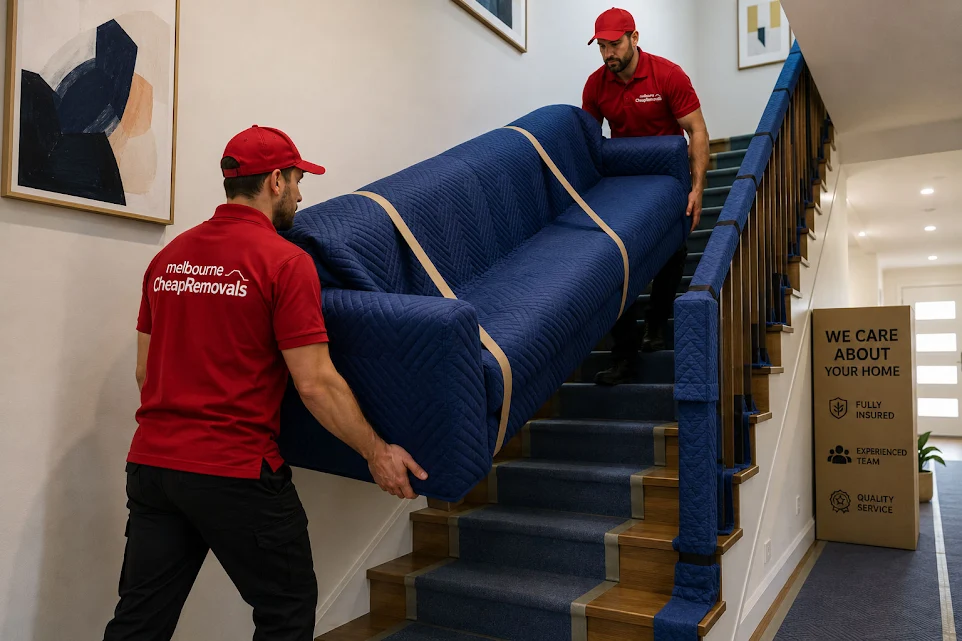
A short move can still become difficult if the truck cannot get close to the property or if bulky furniture has to travel through tight spaces. A Local Removalist Melbourne service should know about these conditions before the booking is finalised so the team can prepare properly.
Access details worth checking
- Whether the truck can park close to both properties
- If either home has stairs or narrow entrances
- Whether an apartment lift needs to be booked
- If there are time limits for loading or unloading
- Whether large furniture needs to be dismantled
- If gates, shared driveways, or basement parking affect access
- Whether the walking distance from the truck to the entrance is unusually long
Clear access information helps avoid unnecessary delays. It also gives the movers a better idea of how long the job may take and whether certain furniture needs extra preparation before it is carried out.
Traffic Timing Needs Thought
Melbourne traffic can change quickly depending on the suburb and time of day. A trip that looks short on a map may take much longer during school runs, peak-hour traffic, roadworks, or busy weekend periods. Good Local Removals Melbourne planning should allow for that rather than assuming every local move will be quick.
For example, moving between two nearby inner-city suburbs may involve more delays than travelling a longer distance through quieter areas. A team providing local moving support Melbourne households need should look at the route, preferred moving time, and any building access windows together. Starting earlier may sometimes make more sense, particularly when parking or lift bookings are limited to certain hours.
Timing also affects the customer. Renters may need to return keys by a set time, while homeowners may be working around settlement or access to the new property. Allowing some breathing room can make the whole day feel less rushed.
Furniture Still Needs Care
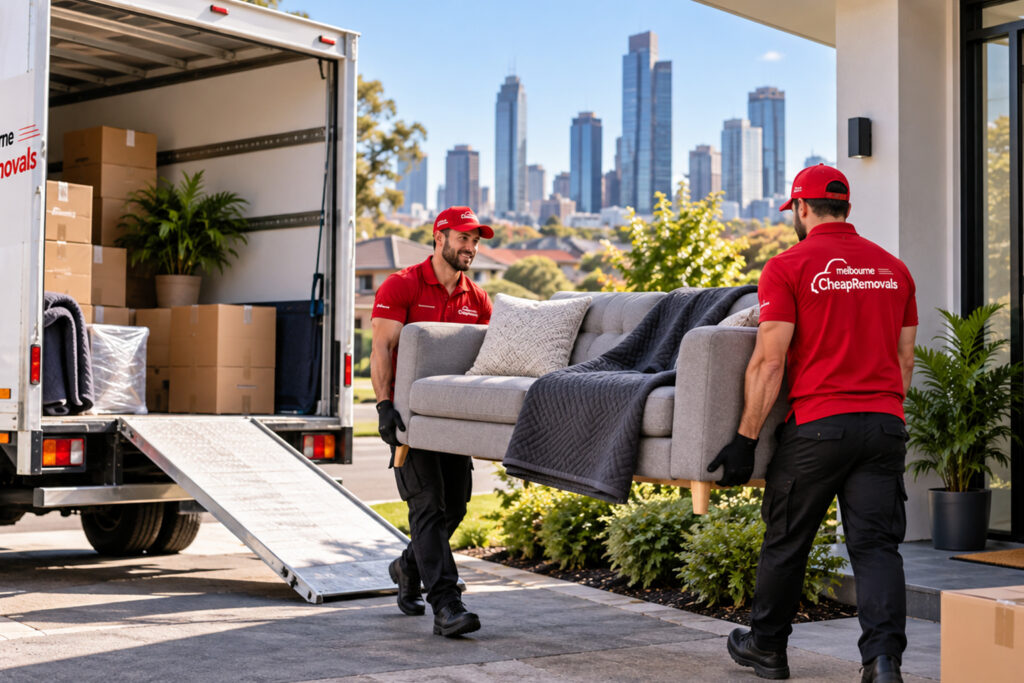
Local moves are sometimes treated as easier simply because the distance is short. The furniture, however, still needs the same level of care. A large sofa can be damaged during a five-kilometre move just as easily as during a longer one if it is carried poorly or loaded without enough thought.
Melbourne Removalists should still consider the weight, size, shape, and condition of each piece. Fragile surfaces may need protection, drawers may need to be emptied, and some furniture may be safer to move after certain parts are removed. A good Local Removalist Melbourne team will also think about the route through both properties before lifting begins. The aim is not to make the process complicated. It is simply to avoid problems that could have been prevented with a few minutes of planning.
Truck Space Matters Too
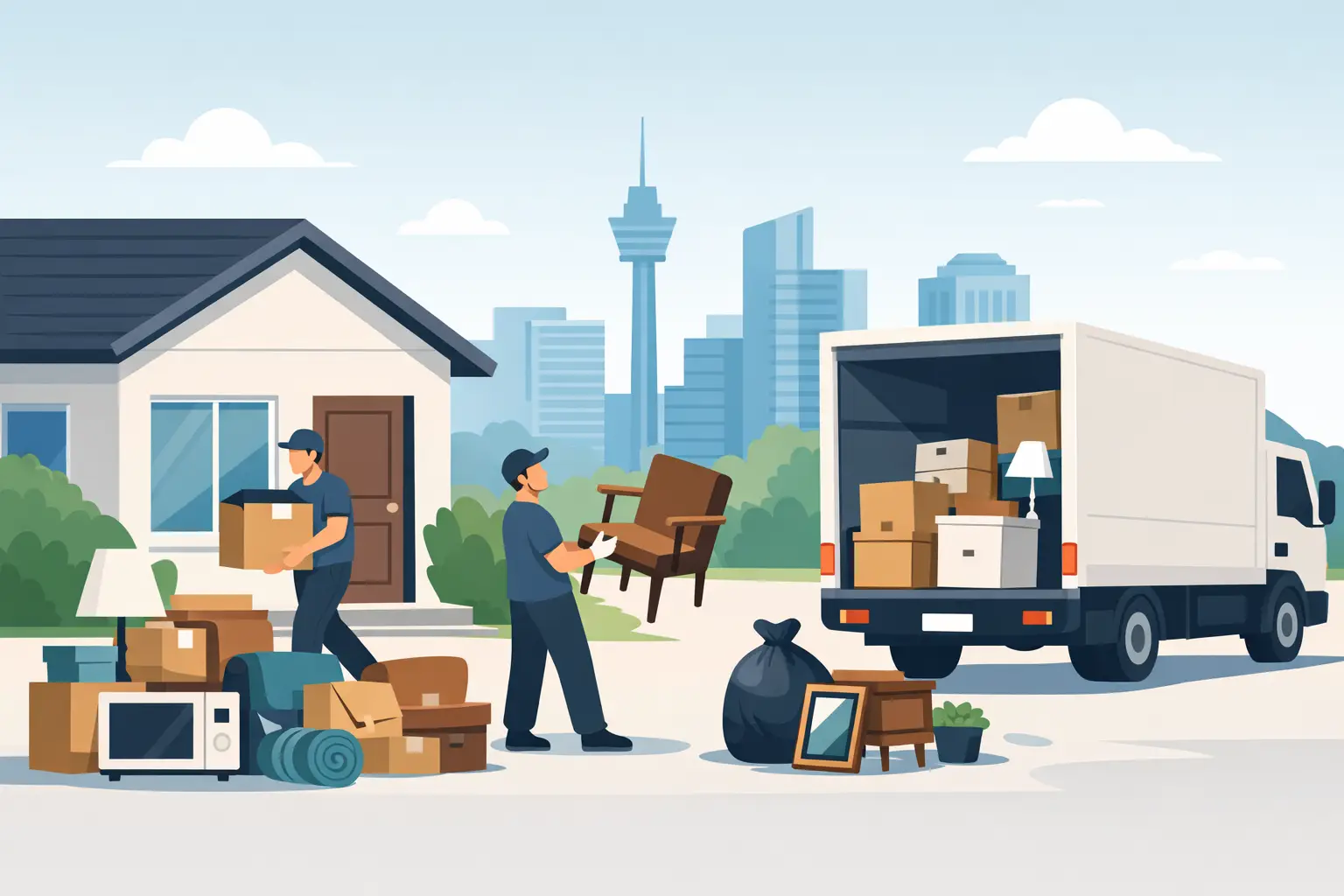
Choosing the right truck size can have a bigger effect on a local move than many households expect. A vehicle that is too small may mean an extra trip, while a much larger truck may be harder to park on narrow residential streets.
Things that affect truck choice
- The number of large furniture pieces
- The approximate number of packed boxes
- Whether appliances are being moved
- The size of wardrobes, beds, and dining furniture
- Whether garage or outdoor items are included
- How close the truck can park to each property
Good Local Movers Melbourne should ask enough questions to understand the likely load before the day. This is especially useful for households using suburb-to-suburb moving services, because an unnecessary second trip can add time even when the two addresses are reasonably close.
A suitable truck also makes loading easier. When there is enough space to organise furniture and boxes properly, the team is less likely to waste time rearranging the load halfway through the job.
Communication Keeps Moves Simple
Local moves often involve several small timing decisions. Customers may be collecting keys, waiting for cleaners, meeting a property manager, or arranging access with building management. Clear communication helps keep those moving parts together.
Local Removals Melbourne work more smoothly when the customer shares important details before moving day. If parking is difficult, the movers should know. If there is a booked lift slot, that should be confirmed. If the household has a large table, fragile cabinet, or awkward staircase, mentioning it early gives the team time to think about the safest approach.
It also helps when the movers keep customers updated. A short message about arrival time or a genuine traffic delay can prevent a lot of unnecessary waiting. Melbourne Removalists who communicate clearly make it easier for households to plan the rest of their day around the move.
A Smoother Local Move
A suburb-to-suburb move may be local, but it still deserves proper planning. Access, traffic, parking, furniture handling, truck space, and timing can all affect how the day unfolds. Households that discuss these details early are more likely to avoid unnecessary delays and keep the move feeling organised from one address to the next.
Choosing Local Movers Melbourne is often about more than simply finding someone nearby. Local knowledge can help with realistic timing, property access, and the practical problems that come with moving around Melbourne. At Melbourne Cheap Removals, our moving team takes a straightforward approach to local relocations, with careful handling, clear communication, and planning suited to the properties involved. The aim is to make shorter Melbourne moves feel just as organised and dependable as larger relocations.
Frequently Asked Questions
Question: Is a suburb-to-suburb move usually completed in one day?
Answer: Many local household moves can be completed in a day, but the actual time depends on the amount being moved, access conditions, traffic, and how well the home is prepared before the movers arrive.
Question: Does moving only a short distance usually reduce the cost?
Answer: It can reduce travel time, but distance is only one part of the cost. Loading time, stairs, difficult parking, truck size, furniture preparation, and unloading conditions can also affect the total.
Question: Should I arrange parking before a local move?
Answer: Yes, especially if either property is on a busy street or has limited space. Easy truck access can save time and reduce the distance furniture has to be carried.
Question: Do I need to pack everything before the movers arrive?
Answer: If you are handling your own packing, it helps to have most items boxed and ready. Loose belongings can slow loading and make the move feel more rushed.
Question: What should I tell the movers about the new property?
Answer: Mention stairs, lifts, narrow entrances, parking limits, building rules, and any difficult access points. It is also useful to explain where larger furniture needs to go so unloading can be planned more efficiently.