Local house moving is never just well you know, load the furniture and roll it to the next street. A professional house moving service in Melbourne usually takes care of the whole sweep of things: planning, packing help, protective wrap for fragile pieces, loading, careful transport, unloading, item placement, plus, if you want, unpacking or even storage. Even if it’s a short local move, you still need the right crew, the correct truck size, some access planning, and really careful handling throughout. For families, renters, apartment residents, and homeowners too, a well-managed service can safeguard belongings, cut down on delays and keep moving day organised from the booking moment up to the final placement.
Planning Before Moving Day
A smooth local move kind of starts with good planning, before the truck even pulls up. The moving team really should know the property size, how many rooms there are, what kind of furniture is involved, what the parking access looks like, plus stairs, lifts, and fragile items. Also, any packing requirements matter, so the right crew, the right vehicle, and the timing can be coordinated. A city apartment might need lift access and building approval, while a larger suburban home may end up needing more loading time, a bigger truck, and extra attention for bulky furniture. When you prep this way, it also becomes easier to estimate moving time more accurately, so your budget stays manageable.
Many people compare house movers in Melbourne because they want more than muscle. They want a team that can think through the details, communicate clearly, and prevent small issues from becoming expensive delays.
A local moving plan may include:
- Pickup and delivery addresses.
- Property size and furniture volume.
- Stairs, lifts, driveways, and parking access.
- Fragile, heavy, or awkward items.
- Preferred moving date and time.
- Packing, unpacking, or storage needs.
This kind of preparation helps the move feel structured from the beginning.
Packing and Item Protection
Packing is one of the most useful parts of local house moving services, especially for busy people, moving with children, downsizing, or relocating on short notice. Not every customer needs full packing, but many benefit from partial packing for kitchens, fragile items, electronics, artwork, mirrors, and delicate furniture pieces.
Professional packing support may involve cartons, wrapping materials, moving blankets, labelling, and room by room organisation. The goal is not only to fit items into boxes but also to ensure they are protected and easier to unpack later. A family moving from a three bedroom home, for instance, may choose to pack clothing and books themselves but leave glassware, appliances, and fragile decor to the movers.
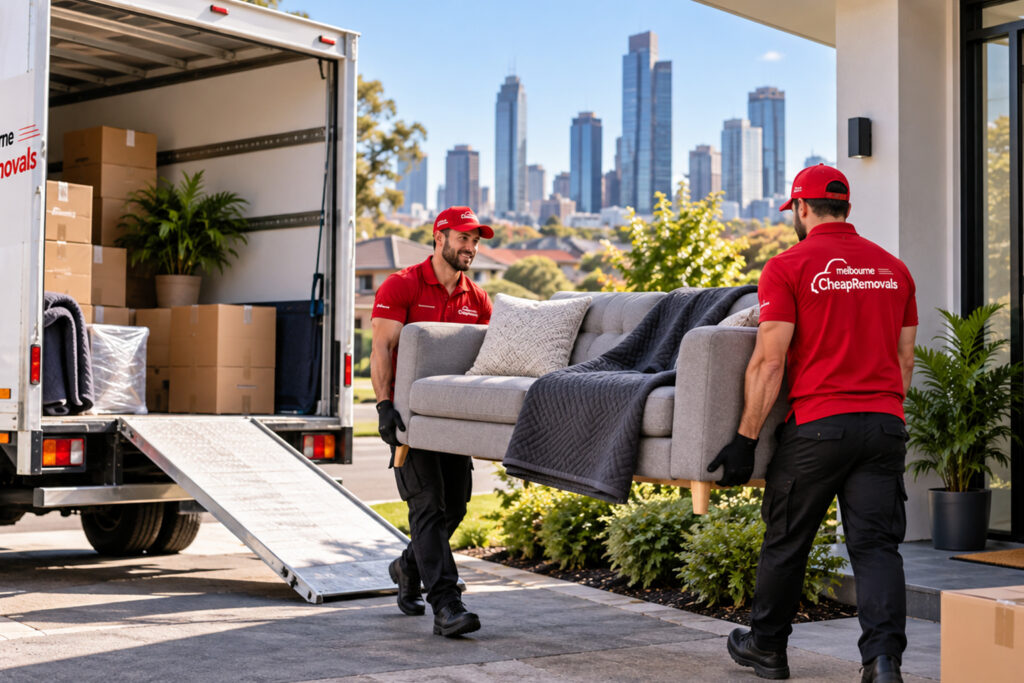
Furniture protection is just as important. Sofas, dining tables, bed frames, cabinets, and desks may need padding or careful handling before loading. Good movers will also consider narrow hallways, polished floors, tight staircases, and freshly painted walls.
This is where experienced house removals support in Melbourne can make a real difference. A short local move can still damage furniture if items are rushed, stacked poorly, or carried carelessly.
Loading and Safe Transport
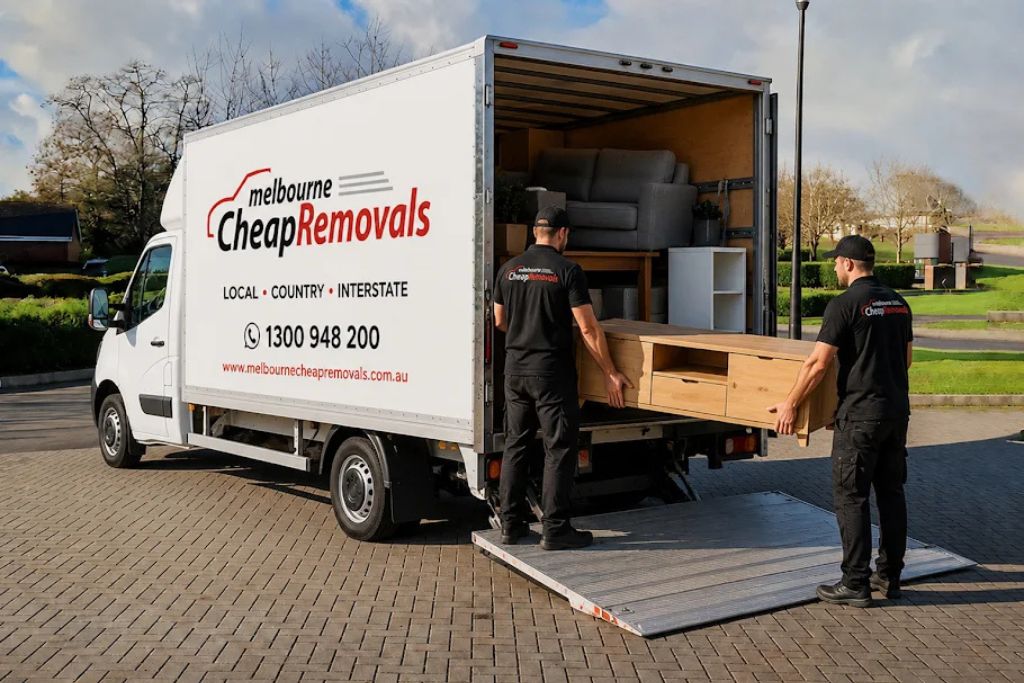
Loading is one of the most physically demanding parts of a house move. It requires more than lifting strength. Movers need the right handling approach, a clear plan for truck-loading, and proper protection for your things so furniture stays safe while it gets moved. Even a quick local Melbourne move can still go sideways a bit if heavy pieces are stacked in the wrong way, or delicate cartons are under pressure. or bulky items are pushed through tight hallways and narrow passageways.
Things like wardrobes, fridges, washing machines, dining tables, and lounges really do need careful positioning in the truck. The right vehicle size also counts, because if the truck is too small, it can cause extra trips, more delays, and more stress on everyone by the end of the day. Professional house moving services in Melbourne often include careful loading, safe transport, and organised unloading, ensuring belongings arrive in good condition and the move remains efficient.
What Happens After Arrival?
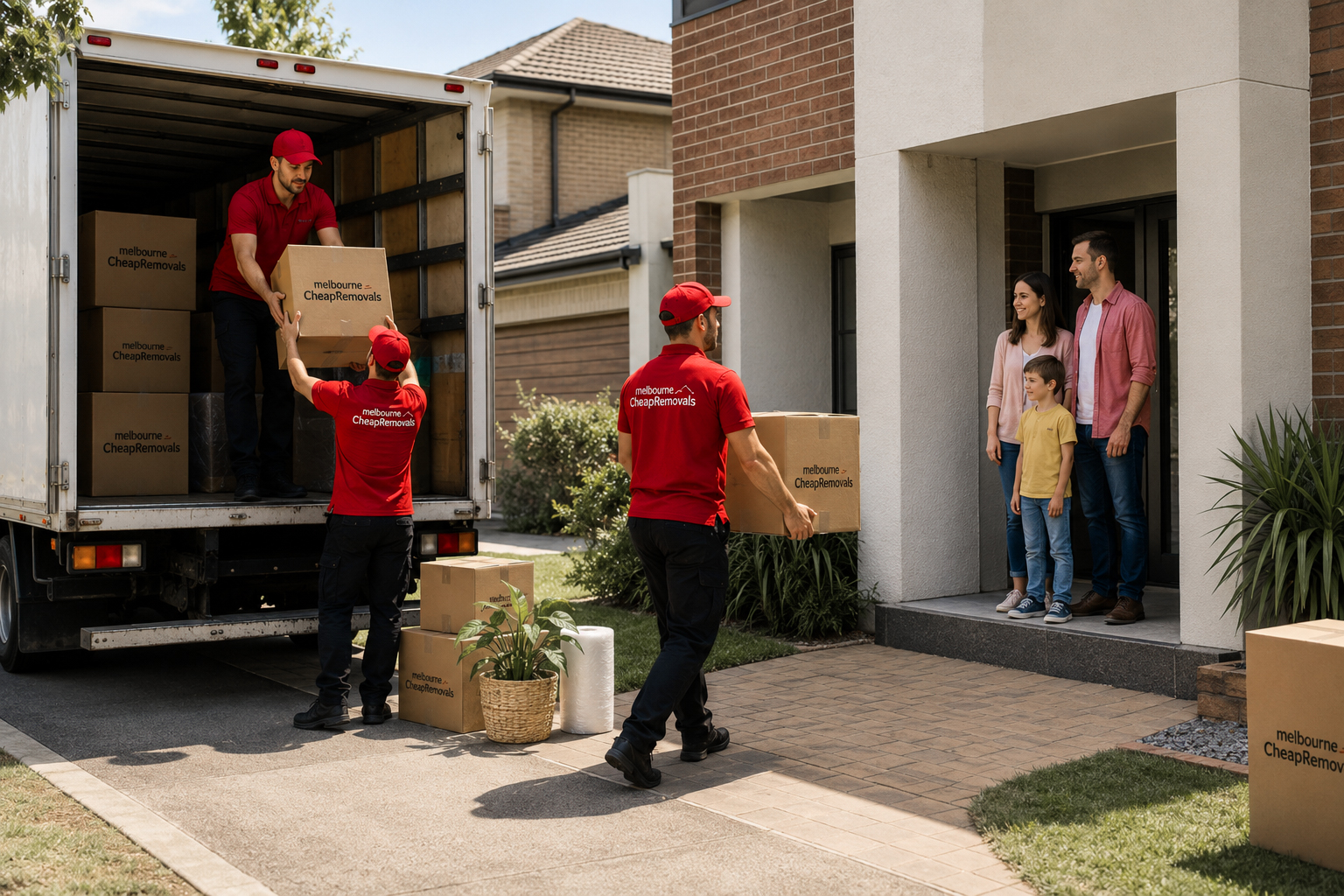
When the movers arrive, they usually unload everything and kind of spread it into the right rooms, so the first few hours in the new place feel less stressful. Rather than stacking every box in one spot, they can follow those labels so kitchen items, bedroom boxes, fragile pieces, and larger furniture end up where they belong.
This really helps with apartment moves, too, because lift bookings, access rules, shared corridors, and those narrow unloading time windows can mean coordination needs to be done more carefully than usual.
An organised unloading process helps reduce disruption and keeps the move respectful of the property. Some customers also ask for basic reassembly support where suitable. Bed frames, tables, and other furniture may need to be reassembled after transport. While the exact service depends on the booking, discussing these needs early helps avoid confusion.
If someone asks, who offers reliable house moving services in Melbourne? The better answer is usually a team that handles both ends of the move with care, not just the drive between addresses.
Extra Help for Households
Many local moves need extra support beyond transport. Some people need packing materials. Some moves need more than standard loading and transport, really, like heavy furniture or awkward items, also temporary storage, split moving dates, or simple access problems can all shift the service level needed, so it is worth double-checking what’s included before booking. For instance, one tenant might require furniture taken away before the last clean, but another household may need goods kept briefly before handover at the new address. A family renovating part of their property may need short term storage. A downsizer may need some items delivered to the new unit and others taken to another family member’s address. Local moving services can often be shaped around these practical needs.
Extra help may include:
- Packing and unpacking support.
- Heavy furniture handling.
- Short term or long term storage.
- Moving blankets and protective materials.
- Multi stops local moves.
- Small moves with fewer items.
Choosing home removalists in Melbourne for stress free moving can be especially useful when several tasks need to happen at once, such as packing, lifting, delivery, and temporary storage. Clear services, careful handling, and practical communication help remove uncertainty before moving day begins.
Where These Services Apply
Local house moving services can be used across many living situations. They are not only for large family homes. Apartment moves, townhouse relocations, student moves, shared house shuffles, retirement downsizing, rental transitions, and those small furniture carry-aways can really benefit from a professional helping hand. Inner city moves may require timing around loading zones. Suburban moves may involve larger furniture and longer driveways. Unit moves may need stair handling or lift coordination.
House moving services in Melbourne can also assist with folks relocating somewhere else in the same suburb, even if it’s just around the corner. Like, a quick shift from one street to another still may mean careful packing, steady lifting, reliable transport and then the whole setup part after. Honestly, the distance is only one ingredient in the work, not the entire story. The amount of furniture, access conditions, and time pressure often matter just as much. When comparing providers, look for practical experience with different property types. The best fit is usually a team that understands how local moves work in real homes, not just in simple moving checklists.
Moving With Better Confidence
A local move becomes easier when every part of the service has a purpose. Planning helps set expectations. Packing protects belongings. Loading and transport keep items safe. Unloading and placement help the new property feel usable sooner. Extra services, like storage, heavy-item handling, and unpacking, can make a local move feel way more controllable when daily life is already a bit hectic. Professional house movers in Melbourne do more than just shuttling your belongings from one address to another, you know. They sort out timing, manage access, take care of your furniture, handle communication, and even deal with those surprise moving-day problems with calm, steady coordination.
The right team can help with apartment relocations, family home transfers, rental turnarounds, downsizing, and local moves across Melbourne, without making everything feel too much. At Melbourne Cheap Removals, our crew offers practical support that is careful and still budget-conscious for everyday households. From the early planning stage to furniture handling, and on through final delivery, our team works to make house removals Melbourne seem more organised, more doable, and definitely less stressful.
Frequently Asked Questions
Question: What do local house moving services usually cover?
Answer: Local house moving services generally end up including a lot of the steps, like planning, loading, transport, unloading, and then actually setting belongings room by room at the new place. If you book in certain ways, they can also throw in packing, unpacking, furniture wrapping, careful handling for bulky or heavy items, and in some cases, a little short-term storage too, just to smooth things out.
Question: Do removalists pack the whole house move stuff?
Answer: Some removalists handle the entire packing side, and others do a partial sort of approach. It mostly depends on what’s fragile, what’s big, and what’s just annoying to move, you know. A lot of customers still pack the daily items themselves, and then they book the crew to safely manage furniture, appliances, glassware, artworks, and those delicate pieces that really need slower, more careful attention.
Question: How soon should I lock in a local house move?
Answer: A good rule is booking once your moving date is fully confirmed, especially if it’s a weekend, right near the end of the month, during school holidays, or when rental demand is high. If you book earlier, you usually get better time slots, and it helps the team plan stuff like the truck dimensions, access points, the equipment they’ll bring, and any extra hands they might need.
Question: Can movers manage stairs, lifts, and tight access in apartments?
Answer: Yes, definitely. Many movers manage apartment moves with stairs, lifts, narrow corridors, shared entries, and those tricky access areas. It’s best to mention the situation before moving day, so the crew shows up with the right gear, schedules can be matched up better, and you reduce delays, plus there’s less risk of damage to the building or property.
Question: Are local moving services actually worth it for small moves?
Answer: Most of the time, yes. They’re quite useful for studio apartment moves, student shifts, smaller furniture runs, downsizing, or shifting items between nearby Melbourne suburbs. Depending on what you’ve got, sometimes just a van, or a smaller truck, is enough, especially if the load isn’t huge and the handling is fairly simple.