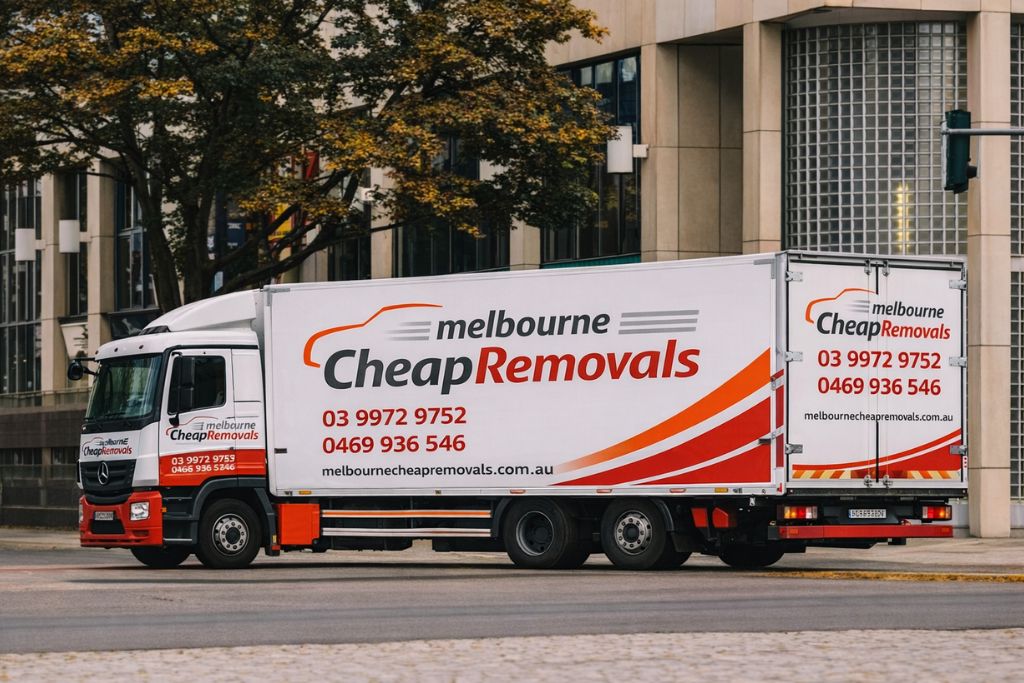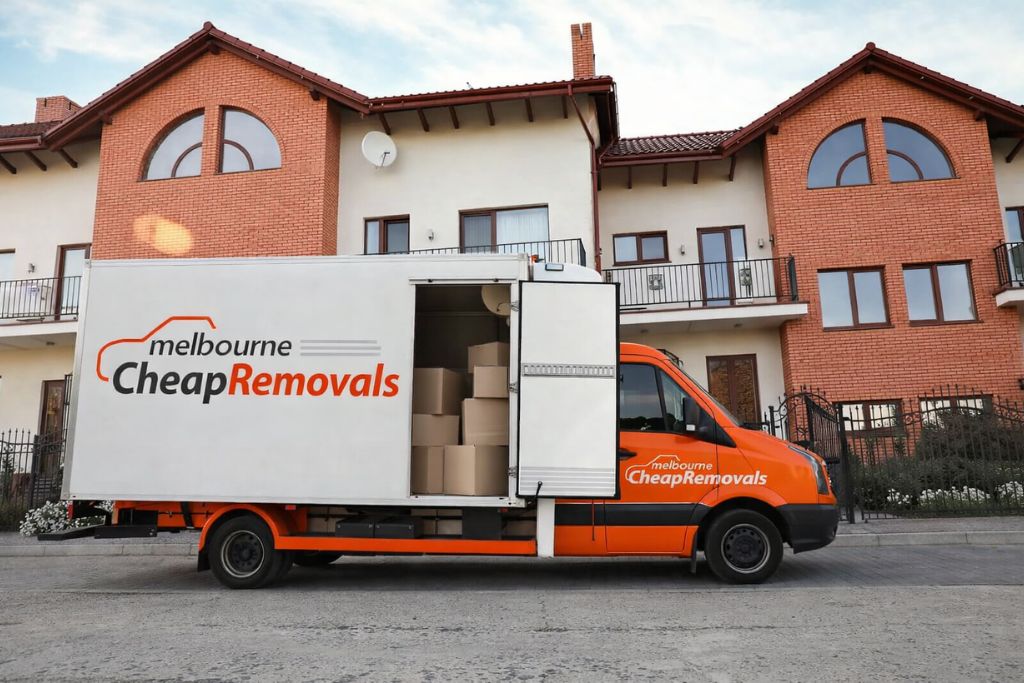

Crossing the threshold into your first home is a milestone—thrilling, detailed, and full of new decisions. The smoothest moves follow a clear game plan: set a realistic budget, schedule tasks in the right order, and partner with a team that knows Melbourne’s streets, lifts, and loading zones. Melbourne Cheap Removals covers the essentials—house and apartment moves, office relocations, packing, storage, and specialty handling for pianos and pool tables—so your move can run to a proven rhythm rather than guesswork.
This guide distils practical steps for first-home buyers: how to price your move, map a pre-settlement timeline, protect fragile pieces, and manage inner-city logistics. It draws on the services and approach shown across the company’s public pages to keep the advice actionable—so you can coordinate bookings, materials, and crew size with confidence and arrive at handover feeling prepared rather than pressured.
Budgeting With Certainty
Start with a line-by-line figure that accounts for movers, packing supplies, possible storage, and access factors such as stairs, long carries, or tight turns. The company’s broad service menu—household moves, furniture handling, office relocations, specialty items, interstate, and “2 men & a truck/van”—makes it easy to match vehicle and crew to a studio, townhouse, or terrace home. Build scenarios that include minimum hours, travel time, and any special handling. Add a 10–15% contingency for settlement shifts or building rules so a minor change doesn’t derail your budget.
If you’re moving heirlooms, oversized furniture, or heavy recreational pieces, clarify them during quoting. Aligning scope and access early prevents last-minute changes and protects both schedule and cost when lift windows or loading bays are tight.
Timeline and Milestones
- About two weeks before moving day: Declutter and donate what you don’t need, measure doorways, lifts, and stair turns, and list any tricky items (e.g., tall fridge, sofa with limited clearance).
- About one week before moving day: Confirm building rules and lift bookings, lock your mover and crew size, and share any access notes (tight lanes, limited parking, stair-only access).
- Two days before moving day: Finish packing non-essentials, label boxes by room and “open first,” set aside documents, meds, chargers, and a small tool kit for quick reassembly.
- On moving day: Do a fast walk-through with the supervisor, confirm load order (bed, fridge, essentials), protect common areas, and keep lift timing aligned with loading.
- During the first week after the move: Return or recycle cartons, reassemble smaller items, book any follow-up for wall mounts or appliance installs, and tidy packing materials for pickup.
Packing Done Right
Professional packing shrinks stress and time. A single team can bring materials, wrap, carry, and place items so there’s no handoff friction. Many first-home buyers choose a hybrid plan—pros handle glassware, kitchen, and tech; you pack clothes and books. Use this quick approach:
- Protect first: TVs, glass tabletops, framed art, instruments, and computers with proper padding and corner protection.
- Label smart: room + item type + “open first” to speed unloading and setup.
- Stack with logic: heavy cartons low and forward, mattresses and couches as structural anchors.
Prefer full service? A Home Mover Melbourne provider can pack, load, transport, and stage key rooms so your first week feels orderly, not overwhelming.
Access And Parking
Inner-city success depends on access. Lifts, loading docks, clearways, and narrow terraces shape the run sheet. A “2 men & a van/truck” setup suits laneways in Fitzroy or Richmond; for CBD towers, reserve lift times early and request a tighter arrival window so the crew can sync with building management. If parking is scarce, arrange a bay or approved cones to prevent long carries that add time and fatigue.
Real-world example: a Docklands couple with an 8–10 AM goods-lift window books a 7:30 AM arrival. The pathway is padded in advance, the first trip is staged for lift size, and fragile items ride early to avoid congestion. A small sequence change often separates a seamless handover from a billable delay.
Specialty Item Care
Heavy or delicate items—upright pianos, pool tables, stone slabs—call for trained techniques: correct dollies, skid boards, strapping, and safe stair methods. Folding specialty handling into your main booking means one crew, one schedule, and one point of accountability. For valuable pieces, brief the team on weak joints or sensitive finishes. The right Furniture Movers Melbourne routine—wrap, buffer, secure, then load—prevents pressure marks in transit and protects edges during tight stair turns.
Booking And Insurance
Dates drive everything. Lock them in early—especially weekends or month-end—to align with settlement and building requirements. Confirm addresses, inventory highlights, and restrictions in writing so dispatch allocates the right truck and materials.
For peace of mind, discuss coverage. Public liability is standard in many scenarios; ask about goods-in-transit options for added protection on higher-value items.
On the day, do a quick walk-through with the supervisor and note existing scuffs in common areas. That ten-minute step streamlines any building conversations and keeps attention on the schedule.
Choosing The Right Fit
You don’t always need the largest vehicle. Studios and 1-bedroom apartments run efficiently with “2 men & a van,” while 2–3 bedroom homes often benefit from a larger truck to reduce trips. The service range—from household and furniture moving to specialty and interstate—lets you tailor crew and capacity to your layout. If settlement and move-in are split by a few days, Melbourne Movers Packers can stage packing earlier and load later to match keys and lift windows.
For Northcote terraces, measure sofa lengths against stair angles; where turns are tight, plan for temporary leg removal. For high-rise towers, verify goods-lift dimensions and book extra time for tall fridges or drawer bases.
Confident Move Conclusion
The best first-home moves are calm because they’re planned. You price against realistic scenarios, set milestones, book experienced crews, and give special attention to fragile or oversized items. Access planning—lifts, loading zones, street widths—quietly protects your budget and your timeline. Whether you’re unlocking a compact CBD apartment or a suburban double-front, pairing methodical preparation with a capable Home Mover Melbourne team keeps the day safe, efficient, and predictable. For standard pieces and heirlooms alike, the disciplined Furniture Movers Melbourne sequence prevents avoidable wear and preserves value.
At Melbourne Cheap Removals, we offer a complete first-home pathway: household moves, careful furniture handling, specialty item expertise, and flexible “2 men & a van/truck” options built for Melbourne’s diverse buildings and streets. To help you reserve the time window you require, we are pleased to offer skilled workers, helpful packing assistance, and easy online scheduling. For first-time homeowners, we offer the ideal combination of affordability and dependability, and our experts are familiar with loading bays, limited terraces, and local lift reservations. Our House Movers in Melbourne handle everything with care, from your first refrigerator to an heirloom piano, and provide a quick transition to your new home.
People Also Ask
1) When should I book my move to secure ideal dates?
For weekends or end-of-month slots, aim to book two to three weeks in advance. This allows time to coordinate lift reservations, parking, and the right crew size for your inventory and access.
2) Can the same team pack and move my belongings?
Yes. You can combine packing, loading, transport, and placement under one plan, which simplifies coordination and shortens the overall timeline—especially helpful for first-home buyers.
3) How do Furniture Movers Melbourne protect fragile items?
They wrap glass and electronics in padded materials, add corner guards and felt blankets, use rigid cartons or custom crates for art and TVs, strap pieces securely with “top-load only” zones, and stage fragile loads first to avoid lift or hallway congestion.